

MLCC electronic components
Materials Science Industry
2026-06-24
Core Usage Scenarios
Our full line of grinding mills delivers contamination-free ultra-fine pulverization for hard, brittle, metal and composite materials, supporting XRF, XRD, SEM, TEM and mechanical performance testing in material research labs.
Hard Inorganic Materials: Planetary ball mills with zirconia, tungsten carbide or agate jars grind ores, rocks, ceramics, glass, cement, slag, silicon wafers and mineral powders to micron/nano scale for elemental composition and crystal phase analysis. Hard alloy grinding media avoids metal pollution during mineral testing.
Metal & Powder Metallurgy: High-energy milling for mechanical alloying, homogenization of metal powder mixtures, refinement of alloy grain structures and preparation of new composite metal materials for metallurgical R&D.
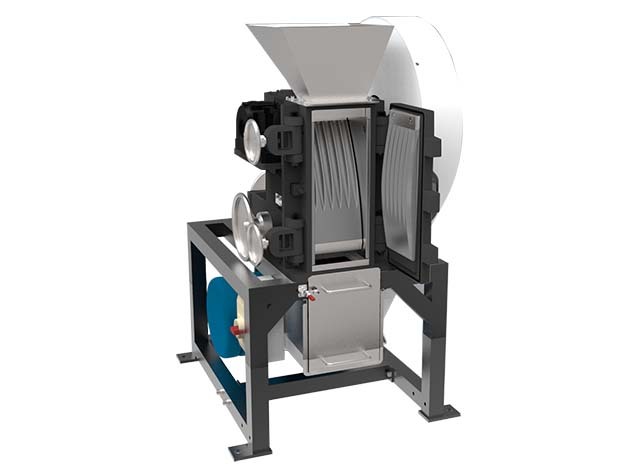
Polymer & Composite Materials: Knife mills handle soft elastic plastics, rubber, fiber-reinforced composites; cryogenic grinding accessories embrittle tough polymers at low temperature to avoid elastic deformation during pulverization.
New Energy Materials: Precise grinding of lithium battery cathode/anode materials, carbon nanotubes, graphene and solid electrolyte powders to control particle size, directly optimizing electrochemical performance of energy storage materials.

Battery materials

Rubber

Scrap copper

ZnTe

Previous post:
Next:
Relevant instruments
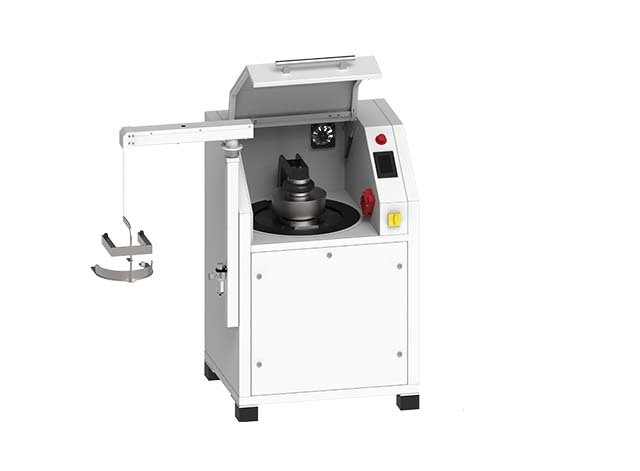
AM950 Disc-Type Vibratory Grinder
The Ant Science AM950 Disc‑Type Vibration Grinding Instrument achieves XRF‑grade fineness in under 60 seconds, processes up to four samples simultaneously, and accommodates a maximum sample volume of 2,000 mL. It is suitable for both dry and wet applications, complies with multiple standards including GB/T 14263, features an ergonomic design for effortless operation, and incorporates sound‑proofing and noise‑reduction for enhanced safety.
Related News
Contact Us
E-mail: export@my-ant.com
Phone: +86 10 57791811 | 15321020547


Brands under its umbrella
Consult now


