

Chemical Industry
2026-06-24
Core Usage Scenarios
Grinding mills serve chemical R&D, catalyst manufacturing, pigment and fine chemical quality control labs for homogenization and particle size standardization of chemical raw materials.
Fine Chemicals & Pigments: Pulverize solid dyes, pigments, colorants and additive powders to uniform particle sizes to test color uniformity, dispersion performance and chemical stability of finished chemical products.
Catalyst Research & Activation: Mechanochemical grinding modifies catalyst surface structures without extra solvents, accelerating catalytic reaction efficiency; prepare homogeneous catalyst powder batches for laboratory activity testing.
Solid Chemical Reagents & Crystals: Crush crystalline chemical compounds, inorganic salts and solid intermediates to consistent powder for solubility, purity and spectral analysis.
Hazardous Chemical Samples: Sealed grinding chambers prevent volatile chemical leakage; fully enclosed grinding structure protects operators from toxic dust during sample preparation.
Previous post:
Next:
Relevant instruments
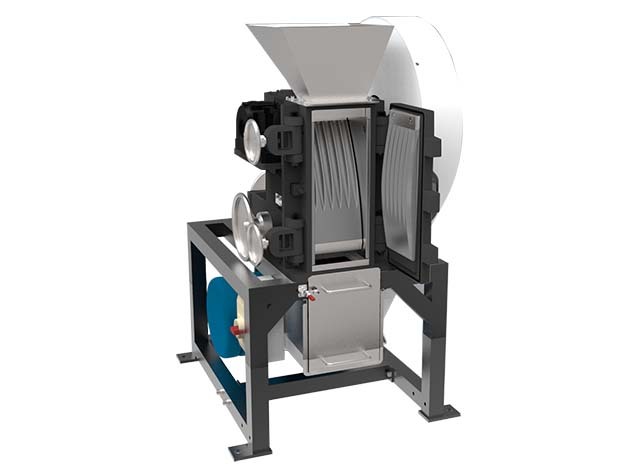
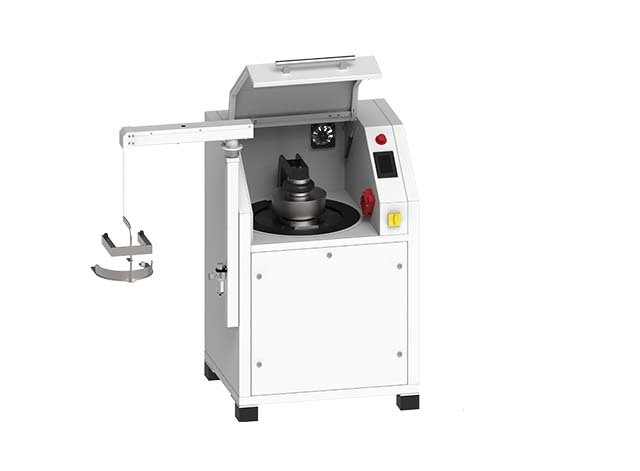
AM950 Disc-Type Vibratory Grinder
Related News
Contact Us
E-mail: export@my-ant.com
Phone: +86 10 57791811 | 15321020547


Brands under its umbrella
Consult now


